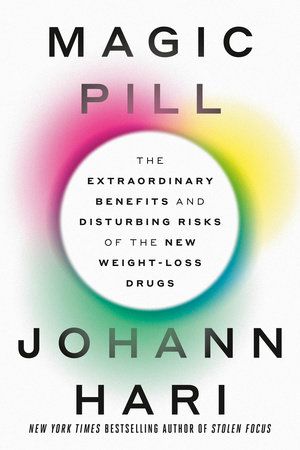
Magic Pill Book Summary
The Extraordinary Benefits and Disturbing Risks of the New Weight-Loss Drugs
Book by Johann Hari
Summary
In "The Magic Pill," Johann Hari takes readers on a deeply personal and rigorously researched journey into the complex world of obesity and the revolutionary new weight-loss drugs that promise to fight it, grappling with the profound ethical, societal, and scientific questions they raise about our relationship with food, health, and the future of our bodies.
The Accidental Discovery Of GLP-1
In 1984, Daniel Drucker, a young Canadian scientist, accidentally discovered GLP-1 while studying the inner workings of glucagon genes in a run-down lab in Massachusetts. He found that GLP-1 could stimulate the creation of insulin, a crucial discovery that would later lead to the development of new diabetes and weight loss drugs.
Scientists discovered that the venom of the Gila monster lizard contained a copy of GLP-1 that lasted much longer in the human body than natural GLP-1. This led to the development of drugs that could elevate GLP-1 levels for a whole week, bringing blood sugar under control for diabetics. Researchers then found these drugs also caused significant weight loss in obese people.
Section: 1, Chapter: 1
Ozempic Transforms The Author's Appetite
The author describes his personal experience starting Ozempic. Within days, his ravenous appetite disappeared - he went from eating large portions to feeling full after a few bites. Foods he used to love became unappetizing. While thrilled with the rapid weight loss, he also felt ambivalent and disconcerted by the changes.
Section: 1, Chapter: 1
The Unprecedented Fattening Of Humanity
Starting in the late 1970s, something unprecedented happened - obesity rates skyrocketed across the world, more than doubling in the US between 1979-2000. This had never happened before in human history and could not be explained by genetics. The food environment had transformed, flooding us with addictive processed foods.
Scientist Paul Kenny ran an experiment where rats were exposed to the modern American diet - cheesecake, bacon, sugary foods. The rats quickly became addicted, ballooned in weight, and kept overeating even when it meant enduring painful electric shocks. When the junk food was taken away, they starved rather than going back to healthy chow. This mirrors how the human food environment has overridden our natural appetite regulation.
Section: 1, Chapter: 2
7 Ways Processed Food Hijacks Your Hunger
Ultra-processed foods undermine our natural satiety (feeling of fullness) in at least 7 ways:
- We chew them less so fullness signals are delayed
- The potent combo of sugar, fat and carbs activates primal drives to overeat
- They lack protein and fiber which help trigger satiety
- They flood us with hunger-triggering sugar spikes and crashes
- Artificial sweeteners paradoxically make us hungrier
- Flavoring additives overrides natural "nutritional wisdom"
- They damage diversity of gut bacteria that help regulate appetite
Section: 1, Chapter: 2
Our Broken Satiety Resurrected By Ozempic
Modern processed food has systematically undermined our natural feeling of satiety (fullness), driving overconsumption and obesity. Now Ozempic and similar drugs act to artificially boost satiety by mimicking natural gut hormones. In essence, an artificial solution (drugs) is correcting an artificial problem (broken satiety caused by processed foods).
"Obesity is an artificial problem in the sense that [we now eat] highly energy-dense foods that normally [don't exist] in nature...And now we've come up with an artificial solution, which is to fix the artificially undermined satiety through an artificially designed drug." - Michael Lowe, hunger and obesity researcher.
He argues we should focus on fixing the unnatural food environment rather than resorting to drugs.
Section: 1, Chapter: 3
Weighing Risks - Dangerous Obesity Vs Dangerous Drugs
Individuals considering Ozempic have to weigh two sets of serious risks - the well-established dangers of obesity (diabetes, heart disease, cancer, etc) vs the more uncertain risks of powerful new drugs. While these drugs seem to reduce obesity risks, they may carry risks of their own. There are no easy answers, but an honest consideration of this tradeoff is essential.
The author's friend Judy makes the case for taking Ozempic despite its risks and limitations. She compares it to her taking chemotherapy for cancer - an imperfect treatment made necessary by dire circumstances. While in an ideal world we'd solve obesity by fixing the food environment, Judy argues we have to act to save lives now with the tools available, even if they are artificial and risky. The house is already on fire - we can't wait for better building codes before putting it out.
Section: 1, Chapter: 3
The Devastating Health Toll Of Obesity
Obesity dramatically increases the risk for a staggering range of serious diseases, including:
- Diabetes: Obese men are 6x more likely and obese women 12x more likely to develop diabetes, which can lead to blindness, amputations, kidney failure and early death.
- Physical pain: Extra weight strains joints, leading to chronic pain. Obese people are 3x more likely to need knee/hip replacements.
- Heart disease: Obesity contributes to high blood pressure, atherosclerosis, and heart failure. Each 5-point BMI increase boosts heart failure risk 41%.
- Cancer: Obesity is linked to 9 types of cancer and is the 2nd biggest cause of cancer in the US/UK.
- Dementia: Obesity and its related conditions increase dementia risk.
Section: 1, Chapter: 4
Inflammation - Obesity's Secret Weapon
Inflammation is a key way obesity wreaks havoc on health. As fat cells expand, the body perceives the stretching as "damage" and floods fat tissue with inflammatory chemicals. This chronic inflammation impairs immune function and the body's ability to heal itself. It also directly promotes the development of diabetes, heart disease, and cancer. Reducing obesity-induced inflammation is one key way weight loss could boost health.
Section: 1, Chapter: 4
Reversing Obesity Slashes Disease Risk
Bariatric surgery, which reduces weight comparably to the new weight loss drugs, shows the power of substantial weight loss to improve health. In studies of severely obese people, in the 5 years after bariatric surgery:
- Diabetes disappeared in 75% of patients
- Hypertension resolved in 60%
- Risk of dying from diabetes fell 92%
- Risk of cancer death fell 60%
- Risk of heart disease death fell 56%
- Overall mortality risk fell 40%
This suggests if Ozempic can reverse obesity, it may dramatically cut the risk of obesity-related disease and death as well.
Section: 1, Chapter: 4
The Sordid History Of Dangerous Diet Drugs
Over the past century, a series of "miracle" diet drugs have been hyped, only to later prove disastrous:
- 1930s: DNP, an industrial chemical, caused cataracts, blindness and cooking people from the inside at high doses
- 1940s-1970s: Amphetamines soared in popularity but caused addiction, psychosis and heart damage
- 1990s: Fen-phen was hailed as the "holy grail" but caused heart valve damage and lung disease, killing patients like 27-year-old Mary Linnen. Drug companies hid the risks and had to pay $12 billion in settlements.
This pattern of hype, then harm, raises crucial questions about the safety of Ozempic and whether it will be the next chapter in this dark saga.
Section: 1, Chapter: 5