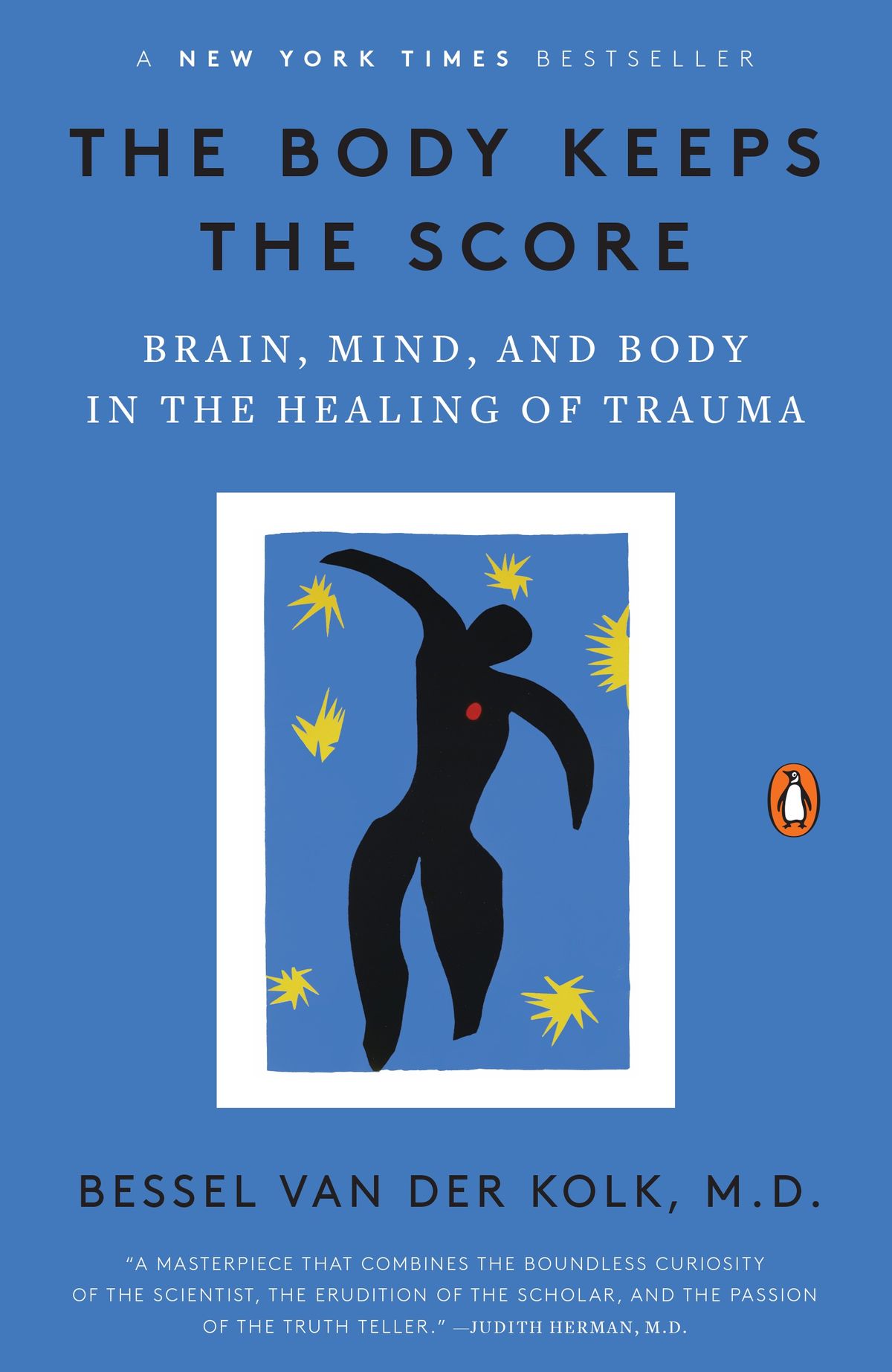
The Body Keeps the Score Book Summary
Brain, Mind, and Body in the Healing of Trauma
Book by Bessel van der Kolk
Summary
The Body Keeps the Score revolutionizes our understanding of trauma's impact and offers a science-backed roadmap to healing the mind, brain and body.
1. The Rediscovery of Trauma
Lifelong Impact of Trauma on War Victims
Many Vietnam war veterans continued to be haunted by their traumatic combat experiences years or decades later, unable to move on with their lives. Their trauma infiltrated every aspect of their lives, making it difficult to maintain relationships, find satisfaction in work, and control intense emotions like rage. Trauma leaves an imprint on mind, brain, and body that persists long after the original event. Healing requires finding ways to come fully alive in the present rather than remaining stuck in the past.
Section: 1, Chapter: 1
The Source of Our Suffering
"The greatest sources of our suffering are the lies we tell ourselves" - Elvin Semrad
Van der Kolk's teacher Elvin Semrad taught that the biggest obstacles to healing are the denial, lies and self-deceptions trauma survivors tell themselves to avoid the painful truth of their past. Being honest with oneself about one's experience and feelings is an essential first step in recovery.
Section: 1, Chapter: 1
Helping Patients Feel Real Again
Many traumatized people feel numb, shut down, and "not fully alive." Effective treatment must help them regain a visceral feeling of safety and aliveness. Therapists should focus not just on changing thoughts and behaviors, but on helping patients truly feel safe, powerful, and connected to their bodies again.Activities that promote physical mastery, social connection, creativity and play can help restore a sense of agency, engagement and pleasure.
Section: 1, Chapter: 1
How Childhood Shapes the Mind
The brain develops sequentially "from the bottom up", starting with the brainstem that controls basic survival functions, then the emotional brain or limbic system, and finally the rational brain or neocortex. Emotional and relational patterns learned in childhood become deeply ingrained in the limbic system and shape our expectations and behaviors in relationships throughout life. When early attachment relationships are disrupted by abuse or neglect, the emotional brain becomes hyperreactive to threat and the rational brain loses its ability to effectively regulate emotions and impulses. This sets the stage for psychological problems later in life.
Section: 1, Chapter: 2
"Use-Dependent" Brain Development
"The brain is formed in a 'use-dependent manner.' This is another way of describing neuroplasticity, the relatively recent discovery that neurons that 'fire together, wire together.' When a circuit fires repeatedly, it can become a default setting—the response most likely to occur. If you feel safe and loved, your brain becomes specialized in exploration, play, and cooperation; if you are frightened and unwanted, it specializes in managing feelings of fear and abandonment."
Section: 1, Chapter: 2
The Limits of Talk Therapy
Conventional talk therapy relies on the rational brain to try to control the emotional brain through insight and understanding. But when people are triggered into trauma responses, the rational brain goes "offline" and loses its ability to override the emotional brain.
- Therapists must help patients learn to regulate their physiological arousal and feel safe and grounded in their bodies, not just understand their issues intellectually. Mindfulness practices, yoga, and other body-based techniques can be valuable tools for this.
- Medication can help dampen hyperreactivity in the emotional brain, but is not enough for full recovery. Therapy must engage the whole organism and promote actual experiences of safety and mastery.
Section: 1, Chapter: 2
Trauma's Lasting Imprint
Brain scans of trauma survivors in the throes of a flashback show that the amygdala, the brain's "smoke detector" for threat, remains highly activated as if the trauma were happening in the present. This occurs even decades after the original event. At the same time, Broca's area, the part of the brain responsible for putting feelings into words, goes "offline," making it difficult for trauma survivors to articulate what they are experiencing. Trauma also appears to affect the brain in a highly lateralized fashion, shutting down the left hemisphere responsible for language and sequential ordering, while the right hemisphere responsible for emotional and sensory experience goes into overdrive. This results in the fragmentation of traumatic memories into sensory "splinter skills" without a coherent narrative.
Section: 1, Chapter: 3
Harnessing Brain Science in Trauma Therapy
Understanding how trauma affects the brain can guide therapists in choosing effective interventions. Since trauma disrupts left-brain functions like language and sequential processing, therapeutic methods that rely solely on talking things through are likely to fall short.
Therapies must also target physiological hyperarousal, using techniques like breath work, mindfulness, or yoga to help patients feel safe and grounded in their bodies.
Integrating traumatic memories requires activating both right-brain sensory experience and left-brain narrative processing. Treatments like EMDR that bilaterally stimulate both sides of the brain may help with this integration process.
Section: 1, Chapter: 3
2. This is Your Brain on Trauma
The Fight-or-Flight Mode
Faced with overwhelming threat, the brain triggers preprogrammed physical escape plans: fight, flight, or freeze. This happens automatically, before the thinking brain has time to process what's happening.
When these survival responses succeed in getting a person out of danger, the nervous system is able to return to baseline once the threat has passed. But if escape is thwarted, the brain and body keep sounding the alarm, leading to chronic hyperarousal and vigilance.
Section: 2, Chapter: 4
Immobilization: The Root of Most Traumas
"Immobilization is at the root of most traumas. When fight and flight are thwarted, the human organism has a third, even more primitive, way to save itself: total paralysis, like an animal playing dead. This reaction is controlled by the most ancient reptilian part of our brain. When that reptilian brain takes over, the bodies of traumatized people re-enact the dynamics of the original trauma, collapsing, getting stuck in (often maladaptive) patterns of behavior and movement. Feeling 'scared stiff' and 'frozen in fear' (collapsing and going numb) describe precisely what terror and trauma feel like."
Section: 2, Chapter: 4
Restoring Safety and Connection to the Body
Since trauma leaves people stuck in fight/flight/freeze mode, recovery requires helping them shift out of hypervigilance and chronic tension and return to a baseline sense of safety and connection to their bodies.
- Therapists can teach techniques like deep breathing, grounding exercises, yoga and movement to release chronic muscle tension, regulate arousal, and restore a felt sense of safety and control.
- Mindfulness practices that cultivate the ability to track sensations in the body with curiosity rather than fear can be an antidote to the constant vigilance of trauma. They help people "befriend" rather than avoid their physical experience.
- Anything that gets people to shift their perspective from "imminent danger" to "safety" in the present, whether it's playing with pets, walking in nature, receiving a massage or simply feeling supported by a therapist's calm presence, can be deeply reparative.
Section: 2, Chapter: 4
Body-Brain Connections
According to pioneer Charles Darwin, emotions are fundamentally rooted in the body and give shape and direction to behavior:
- The autonomic nervous system (ANS) is key in regulating emotions and arousal through the sympathetic (accelerator) and parasympathetic (brake) branches
- Trauma upsets the balance between the sympathetic and parasympathetic nervous systems, leading to issues like hyperarousal, numbing, and dissociation
- The body continues to react as if the trauma is ongoing, even after the threat has passed
Section: 2, Chapter: 5
Trauma as an Imprint
"Trauma is not just an event that took place sometime in the past; it is also the imprint left by that experience on mind, brain, and body."
Section: 2, Chapter: 5
Polyvagal Theory
Polyvagal Theory, developed by Stephen Porges, explains how the autonomic nervous system regulates emotions and social connection in response to cues of safety or danger:
- The vagus nerve connects the brain to the heart, lungs and gut
- The ventral vagal complex (VVC) promotes social engagement when safety is detected
- The sympathetic nervous system activates fight-or-flight in the face of danger
- The dorsal vagal complex (DVC) triggers shutdown and collapse if danger is extreme
- Many trauma symptoms reflect a loss of the VVC's ability to promote feelings of safety
In summary, Polyvagal Theory shows how the nervous system mediates between safety and survival, and how trauma can disrupt this delicate balance. It provides a framework for understanding and treating trauma by working with the body's autonomic responses.
Section: 2, Chapter: 5
3. The Minds of Children
4. The Imprint of Trauma
5. Paths to Recovery
Related Content
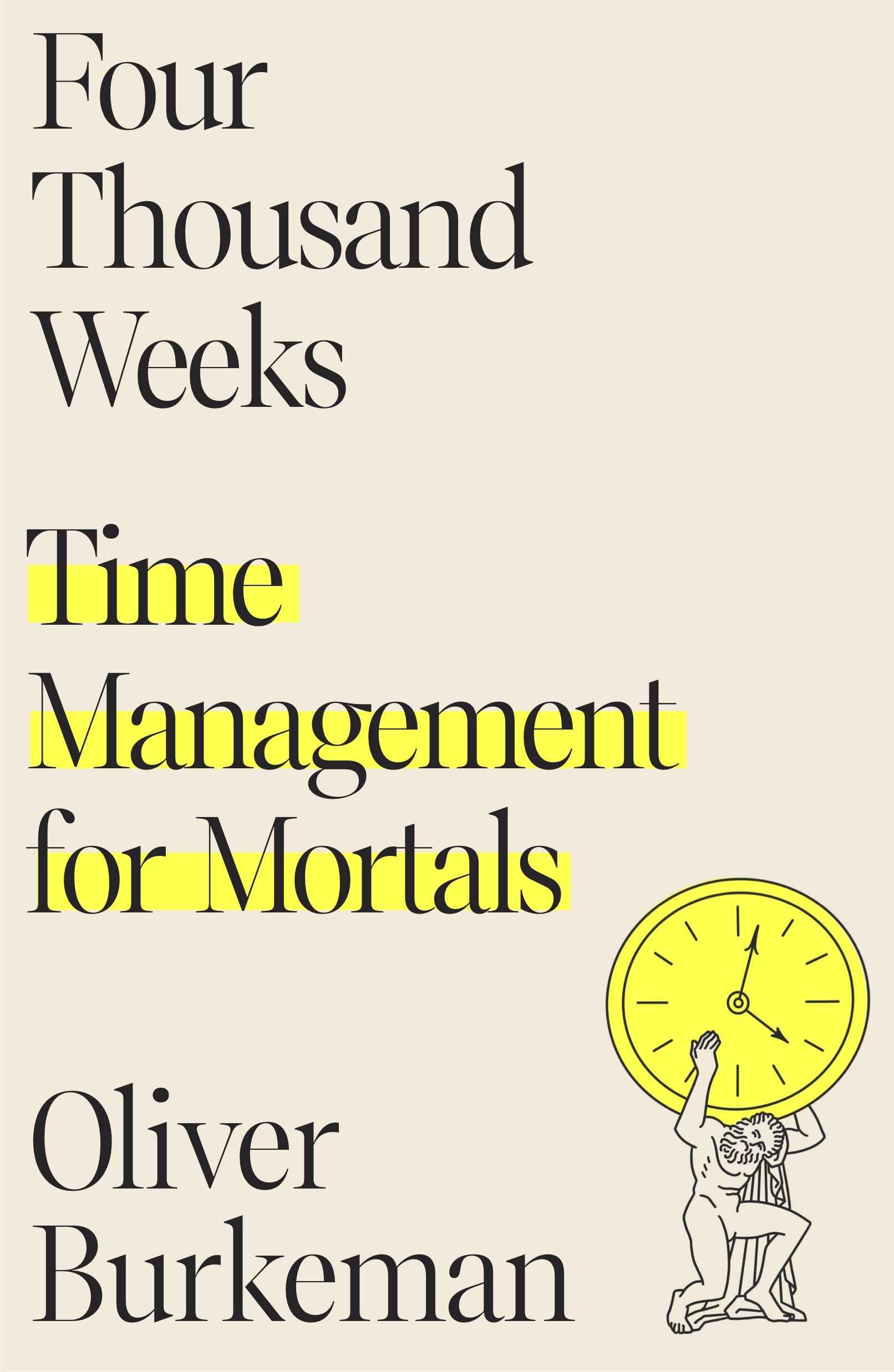
Four Thousand Weeks Book Summary
Oliver Burkeman
"Four Thousand Weeks" offers a radical perspective on time management, urging us to abandon the futile quest for control and embrace our finite existence. By accepting our limitations and making conscious choices, we can discover a more meaningful and fulfilling way to spend our brief time on this planet.
"Four Thousand Weeks" offers a radical perspective on time management, urging us to abandon the futile quest for control and embrace our finite existence. By accepting our limitations and making conscious choices, we can discover a more meaningful and fulfilling way to spend our brief time on this planet.
Philosophy
Personal Development