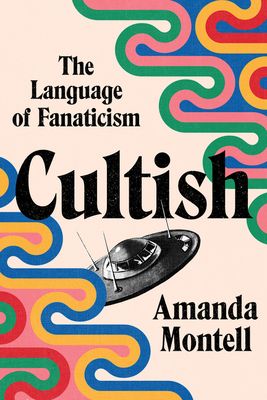
Cultish Book Summary
The Language of Fanaticism
Book by Amanda Montell
1. Repeat After Me
The Shifting Meaning Of The Word "Cult"
The word "cult" has undergone significant changes in meaning over time. In the 17th century, it simply referred to religious worship or veneration. By the early 19th century, it was used to describe new or unconventional religious groups without any negative connotations.
However, in the 1960s and 70s, after the Manson Family murders and the Jonestown massacre, "cult" became associated with fear, manipulation, and danger. Today, the term is often used loosely to describe any group with intense devotion to a person, idea, or thing, leading to confusion about its true meaning.
Section: 1, Chapter: 1
The Power Of Loaded Language
Cult leaders employ two powerful linguistic techniques to influence their followers: loaded language and thought-terminating clichés.
- Loaded language refers to words or phrases that have acquired strong emotional associations, which can be exploited to elicit specific reactions from listeners.
- Thought-terminating clichés are stock phrases used to shut down critical thinking and discussion, such as "It's God's will" or "Don't question, just believe."
When used together, these techniques emotionally prime followers to obey the leader's commands while discouraging them from considering the consequences of their actions.
Section: 1, Chapter: 3
Love Bombing And The Illusion Of Unique Understanding
Cults often begin the process of recruiting new members by making them feel special and uniquely understood by the leader.
This is achieved through love bombing – overwhelming displays of affection, praise, and apparent empathy for the individual's personal struggles. During this phase, the leader will mirror the recruit's way of speaking, using code-switching techniques to present themselves as a kindred spirit. This intense validation from a charismatic figure can trigger a powerful conversion experience, particularly for someone going through a challenging time in their life. The recruit becomes convinced that the leader has a singular understanding of their needs and holds the secret to improving their circumstances. This creates an instant bond of loyalty, setting the stage for the next phase of indoctrination: conditioning.
Section: 1, Chapter: 3
The Sunk Cost Fallacy And Cult Membership
The sunk cost fallacy, which describes people's tendency to continue investing in losing propositions because of their prior investments, helps explain why individuals remain in cults even when faced with red flags. Former Jonestown member Laura Johnston Kohl admitted to ignoring warning signs about Jim Jones due to the time and effort she had already dedicated to the cause. "I let him address my priorities, and put blinders on for other things," she said. Even after the tragic ending, Laura continued to seek the sense of community Jonestown had promised. The more someone has sacrificed for a cult, the harder it becomes to acknowledge that their investment was misplaced.
Section: 1, Chapter: 5
Recognizing And Resisting Confirmation Bias
Be aware of confirmation bias – the tendency to seek out and focus on information that confirms one's preexisting beliefs while dismissing contradictory evidence. In cults, this cognitive bias allows followers to:
- Excuse the leader's inconsistent or erratic behavior
- Rationalize hypocrisy as the leader operating on a higher plane
- Ignore personal doubts about the group's practices
- Dismiss criticism from concerned outsiders
To combat confirmation bias, actively seek out information that challenges your beliefs and surround yourself with people who are willing to point out potential issues. Trust your instincts if something feels wrong, even if you can't fully articulate why.
Section: 1, Chapter: 5
2. Part Two
The Tragic Origin Of "Drinking The Kool-Aid"
The phrase "drinking the Kool-Aid," often used to describe someone blindly following a group or idea, has its roots in the 1978 Jonestown massacre. Jim Jones, the leader of the Peoples Temple cult, convinced over 900 of his followers to drink a lethal cyanide-laced punch, resulting in the largest loss of American civilian life prior to 9/11. Ironically, the drink used was actually Flavor Aid, not Kool-Aid, but the latter became synonymous with the event due to its status as a generic trademark. For survivors and those who lost loved ones at Jonestown, hearing the phrase used casually is a painful reminder of the tragedy.
Section: 2, Chapter: 1